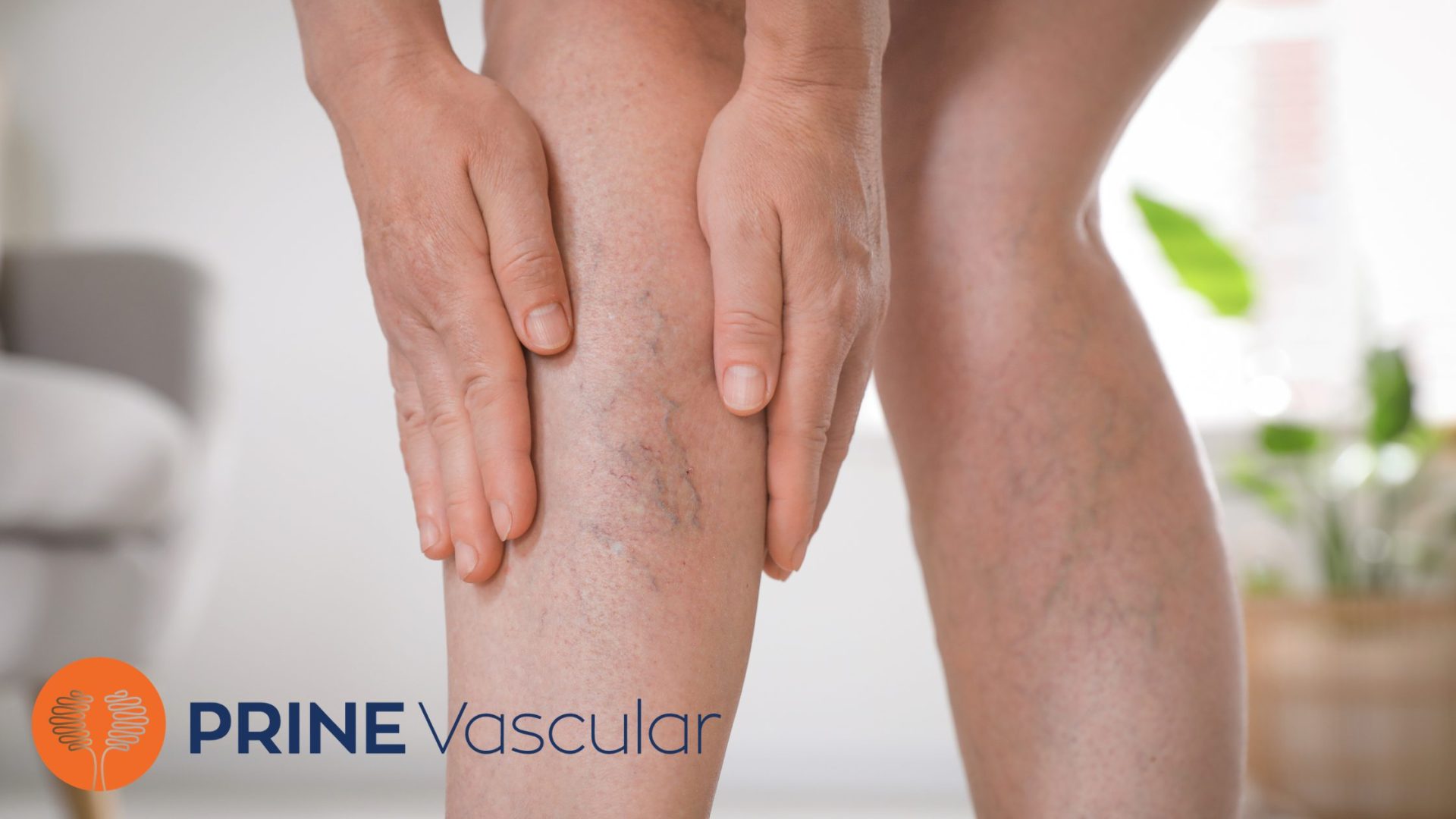









Peripheral vascular disease (PVD) also known as peripheral arterial disease (PAD) is a slow and progressive disorder characterized by a narrowing, blockage, or spasms in blood vessels in the body. While PVD may affect any blood vessel outside of the heart, the distal extremities (legs and feet) are most commonly affected.
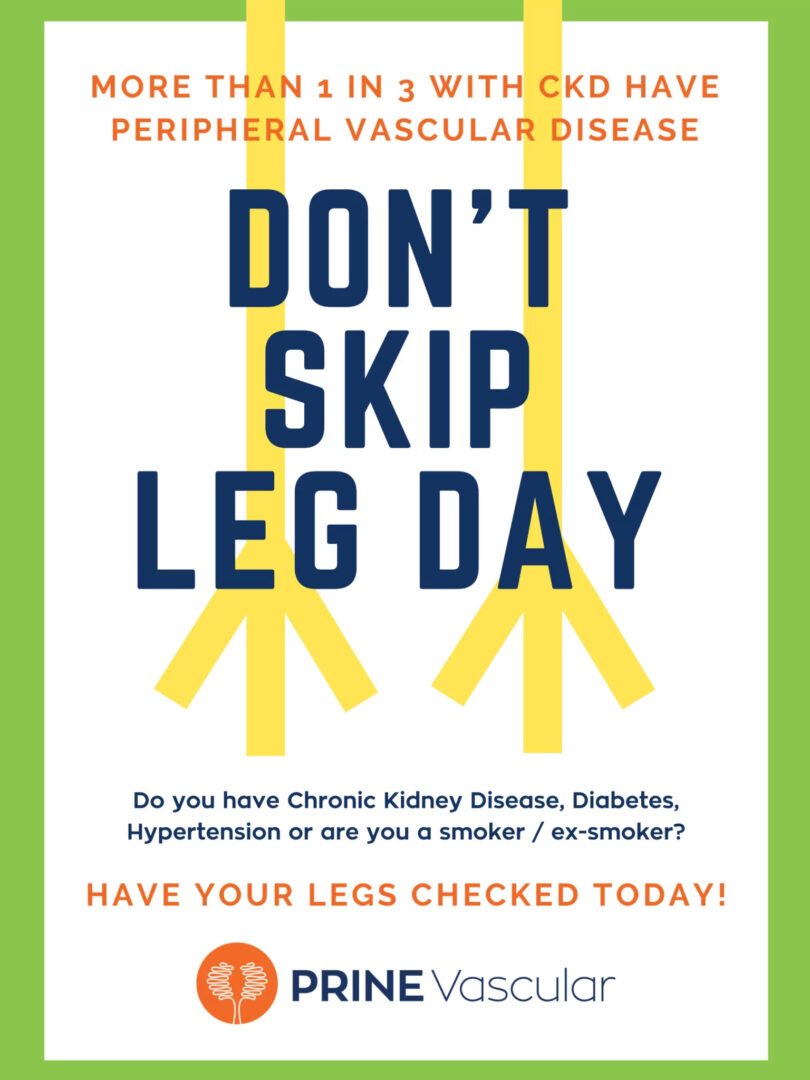
Population data from the National Health and Nutrition Examination Survey (NHANES 1999-2000) reported that 24% of persons with CKD stage 3 or greater (creatinine clearance of <60 mL/min) had peripheral arterial disease as objectively defined by an ankle-brachial index (ABI) <0.9. The use of the ABI as the key diagnostic criteria significantly increased prevalence rates to nearly 35%, especially in more advanced chronic kidney disease.
HOW IS PERIPHERAL VASCULAR DISEASE DIAGNOSED?
- Ankle-brachial index (ABI). An ABI is a comparison of the blood pressure in the ankle with the blood pressure in the arm. To calculate the ABI, the systolic blood pressure (the top number of the blood pressure measurement) of the ankle is divided by the systolic blood pressure of the arm.
- Doppler ultrasound. This uses high-frequency sound waves and a computer to create images of blood vessels, tissues, and organs. Your doctor may use the Doppler technique to measure and assess the flow of blood. Faintness or absence of sound may mean blood flow is blocked.
- Angiogram. This is an X-ray of the arteries and veins to detect blockage or narrowing. This procedure involves inserting a thin, flexible tube into an artery in the leg and injecting a contrast dye. The contrast dye makes the arteries and veins visible on the X-ray.
WHAT ARE THE COMPLICATIONS OF PERIPHERAL ARTERIAL DISEASE?
- Amputation (loss of a limb)
- Poor wound healing
- Restricted mobility due to pain or discomfort
- Severe pain in the affected extremity
- Stroke (3 times more likely in people with PVD)
HOW TO PREVENT PERIPHERAL VASCULAR DISEASE
- Quit smoking, including avoidance of second-hand smoke and use of any tobacco products
- Weight loss
- Limiting or quitting alcohol intake
- Medicine to reduce your risk for blood clots, as determined by your healthcare provider
- Exercise 30 minutes or more daily
- Control of diabetes, cholesterol, and high blood pressure
Once PVD is symptomatic there are more invasive treatments that may be indicated such as angioplasty or vascular surgery.
Due to the high prevalence of PVD in the CKD patient population, PRINE Health is launching PRINE Vascular. We have brought in a skilled interventional radiologist and seasoned Podiatrist. We are starting a sonogram program and will be screening patients in our offices with ABI measurements proactively. A new Vascular lab will be opening in September at Parker Jewish Institute.
Click here to find out about vascular health, or schedule an appointment with a professional by contacting us here.