




Providing Top Quality Care to Patients Across Nassau County, Long Island, Queens, and Surrounding New York, NY Areas

Important! PRINE Health has a new and improved patient portal, powered by Leap. Sign up here

Chronic Kidney Disease

Fueling Kidney Health

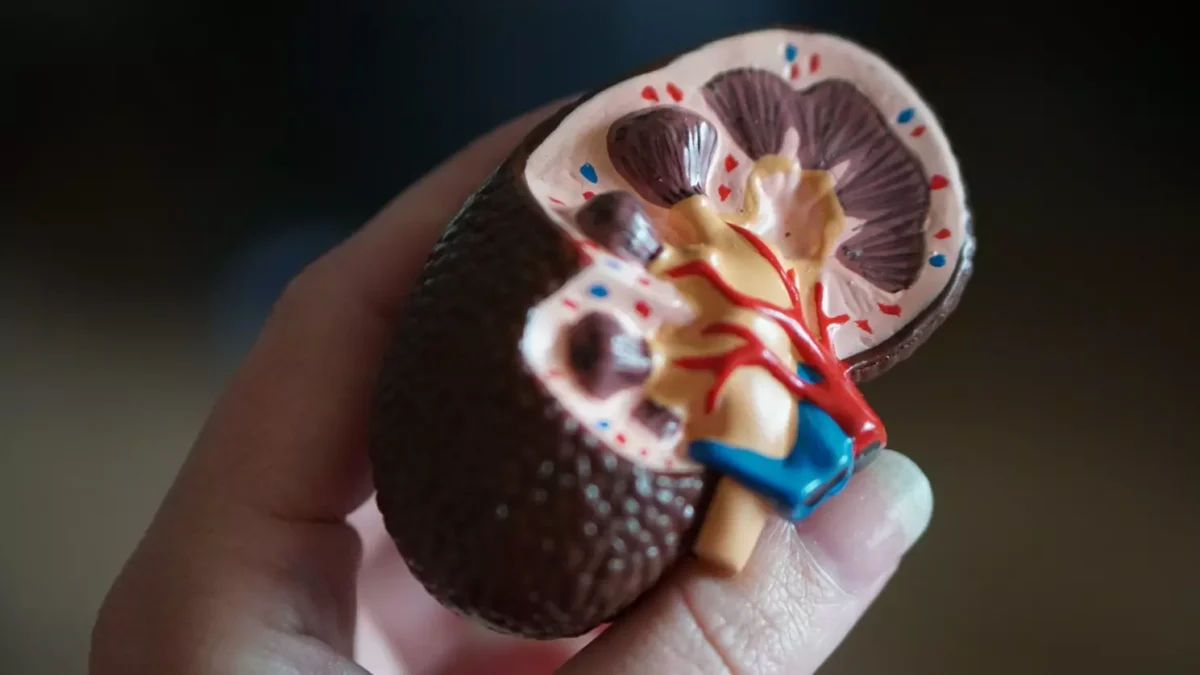
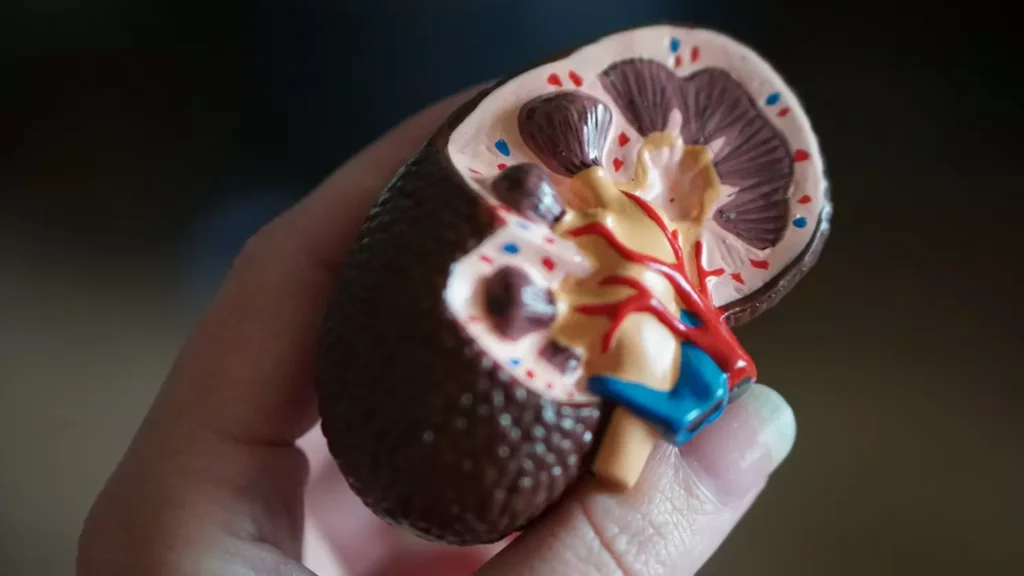
The kidney is the prime filter of the human body—along with other essential tasks. It tackles toxins in the bloodstream and manages fluids and electrolytes throughout the organism, keeping us running. As such, it’s important to know how to keep them in tip-top shape and how to help them when they’re not.

Kidney disease affects 15% of the US population, and that only includes people who know they have it. Today, we’ll focus on a few ways to keep your kidneys healthy, and some recommended behaviors during care.


Healthy Diet And Habits

Overall, we recommend keeping a balanced diet consistent with your caloric intake needs, providing all forms of nutrients for a fully functioning body. Additionally, getting in your 30 minutes of daily exercise and drinking plenty of water allows your kidneys to clean the blood supply more efficiently and distribute these fluids throughout your body.

Keep your body moving within the range of what’s comfortable and possible. Keeping blood flowing aids in lowering blood pressure and cholesterol, as well as promoting muscle health. Your body is amazing, so keep it moving.


Choose Healthy Foods

We can take a page from the American Kidney Fund, which suggests that the right diet for a patient with kidney disease consists of the right proteins for growth and healing, fats for energy, vitamin distribution and temperature, and carbs, which are more easily transformed to energy than protein and fat.

Bet on more natural and healthier options that are low in sodium and grain carbs, and healthier carbs like fruit and vegetables. Naturally, discuss with your dietitian what diet is best for your case.


Monitor Levels

Keep a close eye on blood pressure, as it constricts and narrows blood vessels, including those of the kidneys. Cholesterol, other than impacting blood flow, can clog renal arteries, resulting in diminished kidney function. If you have any type of diabetes, it’s crucial to keep an eye out on your renal health, as it is proven to injure renal blood vessels as well.

Be sure to approach your doctors if you have any questions to stay one step ahead.


Limit Alcohol And Pill Intake

Alcohol severely impacts renal function, as it introduces toxins to the bloodstream. Your liver may do most of the heavy lifting when dealing with alcohol, but your kidneys do their share, too. A small amount of alcohol tends to be no problem; moderation is key.

Something similar happens with over-the-counter drugs. Substances like ibuprofen and aspirin, while helpful in many instances, often impact the kidneys through toxins that slowly limit renal function. Limit over-the-counter drug use to 10 days. If there are no changes, contact your doctor.


Know The Signs

There are few to no symptoms associated with the early stages of kidney disease; approaching your doctor regularly is the best measure.

As CKD gets worse, a few common symptoms start showing up:

  • Tiredness
  • A constant need to urinate
  • Blood in the urine
  • Swollen ankles or other limbs as a result of water retention, otherwise known as edema
  • Sudden weight loss and lack of appetite

These symptoms on their own may indicate anything, so the best course of action when they become present is to contact your practitioner.


Ask Your Doctor

As we repeated throughout this post, a proper medical check-up is the best way to find any issues with your kidneys. Medical treatment is also the most indicated course of action, especially considering how vital kidneys are for the entirety of the body. Timely attention to kidney health can make a difference in your treatment.
PRINE Health provides holistic care for chronic kidney disease and other common renal afflictions. We have teams and partners all over the country, so we encourage you to approach us and set up an appointment. Make use of our guides on kidney health diet here. Your kidney health matters.

A Whole-Istic View: The Emphasis On Holistic Kidney Care And Its Integral Role In Modern Healthcare

As we continue to advance in the pivotal field of healthcare, a paradigm shift is evident. The predominant focus that was once on treating isolated ailments is slowly giving way to an incline toward a more comprehensive, ecological approach. This is the philosophy that we at PRINE Health embrace with open arms. We champion a holistic approach where we hand-hold our patients through their illness while paying heed to their systemic health.


The Imperative Of Kidney Health Management

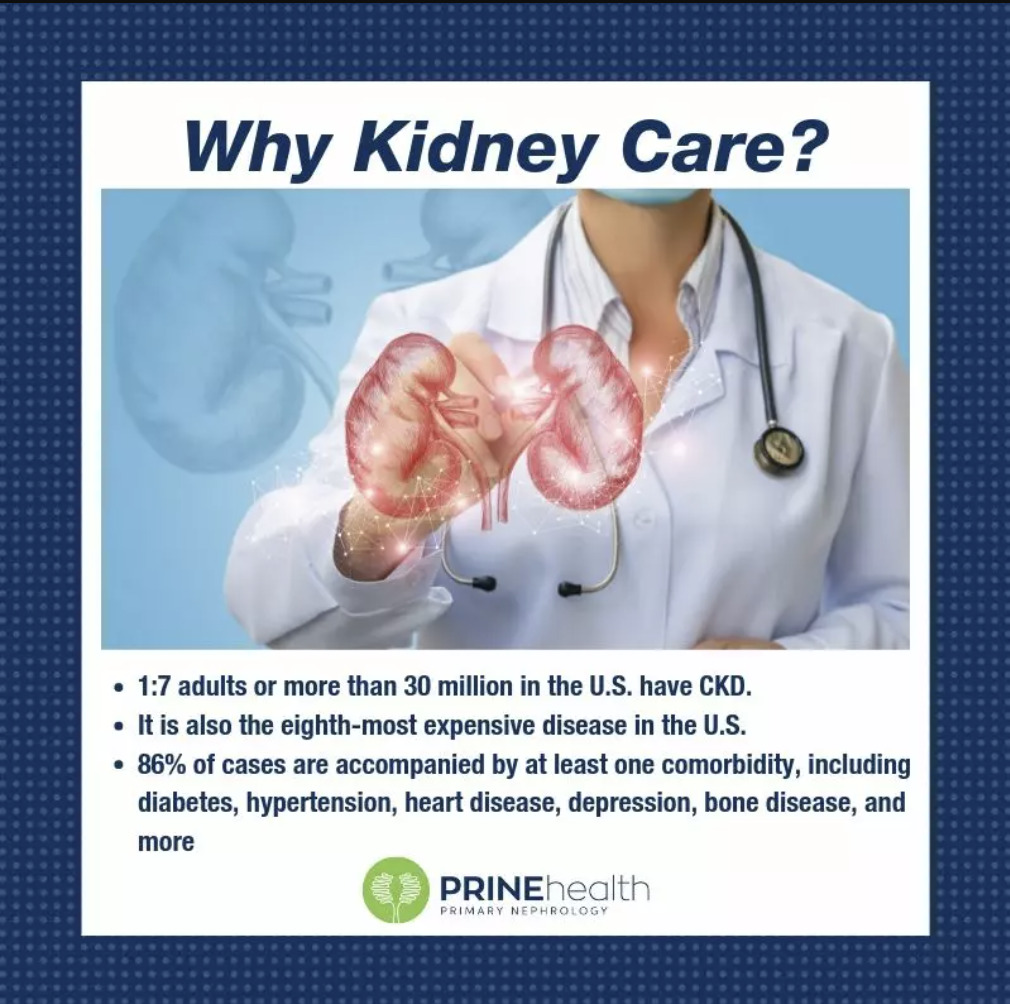
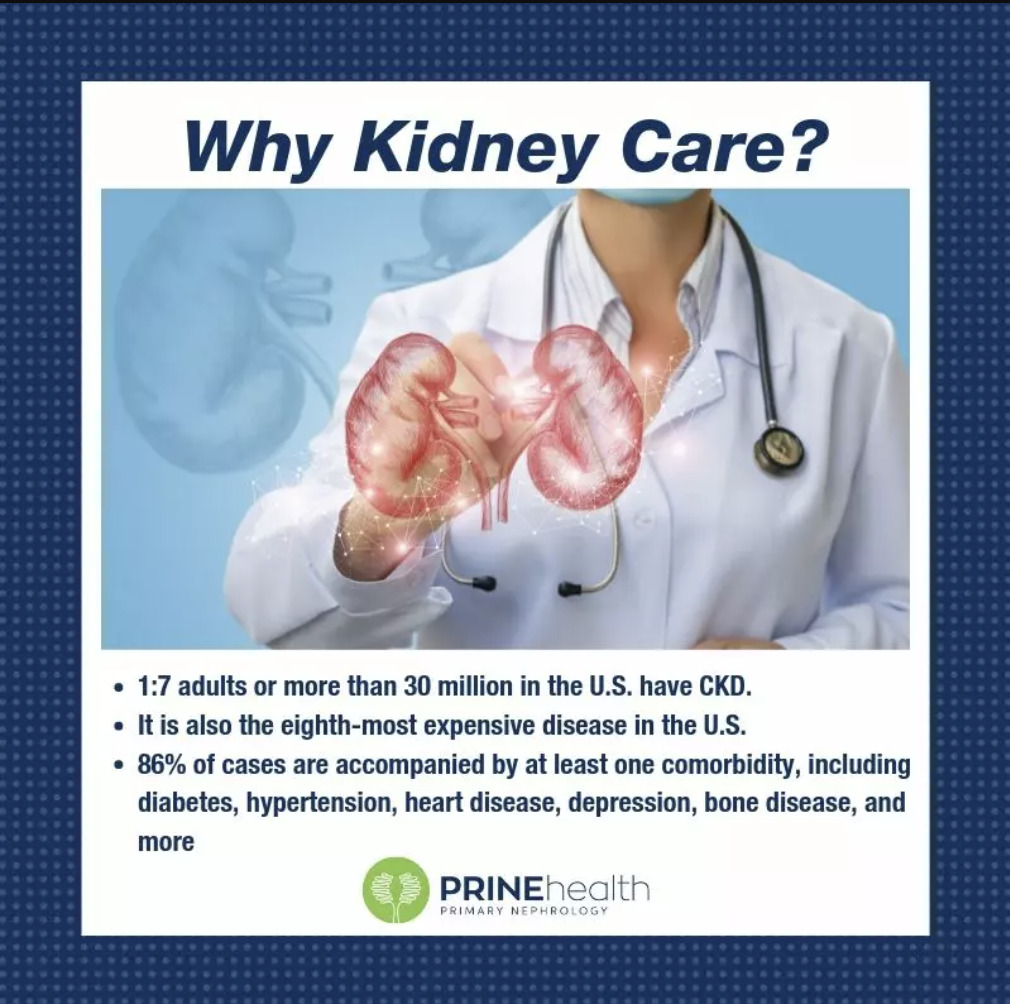
Emphasizing kidney health is critical, especially in the face of the pervasive Chronic Kidney Disease (CKD), which currently affects nearly 30 million adults across the United States. This vast prevalence requires the healthcare community to confront not only the sheer volume of cases but also the intricate and convoluted nature of the disease itself. CKD, often described as an insidious enemy, extends beyond renal health, impacting a multitude of bodily systems and often masking its true reach with muted elusive symptoms.


CKD: The Unpredictable Adversary

The intricate and deceptive nature of CKD poses further difficulties, with an overwhelming 86% of cases presenting with one or more additional health conditions or comorbidities. Comorbidity alliances, including diabetes, hypertension, heart disease, depression, and bone disease, further complicate CKD, intertwining with the primary disease in a pernicious dance that accelerates disease progression and complicates treatment strategies.


Responding To The Multifaceted Nature Of CKD

The precarious interplay between CKD and its frequent comorbidities necessitates an approach to kidney care that is both comprehensive and individualized—one that can navigate this complex health landscape and address each patient’s unique needs. This calls for collaborative healthcare that synchronizes treatment strategies across different health fields to combat CKD effectively. In the face of such a formidable adversary, our healthcare approach must evolve, acknowledging and addressing the many dimensions of CKD to provide targeted, impactful care.


The Narrow Lens Of Specialized Care

The present healthcare system, marked by its proficiency in treating individual health problems, frequently falters when grappling with intricate disorders such as Chronic Kidney Disease (CKD). Specialized care, with its sole focus on the kidneys, can unintentionally bypass the profound implications that comorbidities present. Ignoring these jeopardizes a patient’s overall health and recovery prospects, underscoring the need for a broader health strategy that includes every facet of a patient’s well-being.

Such “tunnel-vision” care can, regrettably, diminish the quality of life for those afflicted with CKD. The patient’s battle doesn’t end with disease-specific treatment; they must also contend with the effects their ailment has on their daily life. Viewing CKD in isolation and neglecting its interconnected comorbidities can impede recovery and undermine treatment efficacy.

This snapshot into the limitations of specialized care highlights the pressing need for an approach that caters to a patient’s all-inclusive health status. To effectively tackle CKD, healthcare needs to transcend its current practices and adopt a strategy that appreciates the patient as an integrated whole rather than a collection of separate ailments.


The Holistic Success Formula At PRINE Health

At PRINE Health, we detour from the traditional path. Our philosophy hinges on a unique, well-rounded care model tailored to the needs of our CKD patients. By creating a robust multi-specialty setup, we ensure patients’ needs are met through a seamless interplay between nephrologists, primary care professionals, and other pertinent specialists.

Our blueprint for success is founded on agile care management, bolstered by advanced IT infrastructure. The objective is value-based kidney care, and we navigate these complex waters steered by our four primary goals:

  • Improving the Quality of Kidney Care: Leveraging a multidisciplinary approach, our mission is to provide a wide spectrum of care that fulfills a patient’s collective health needs.
  • Improving Access to Care and Patient Satisfaction: Centering patient care around the individual unlocks the door to healthcare that is not only efficient and effective but also conducive to bolstering patients’ overall contentment with their care regimen.
  • Eliminating Waste, Redundancies, and Inefficiencies: A harmonious and coordinated team can substantially enhance productivity, ensuring patients benefit from lean care, where they enjoy necessary treatment without the hassle of duplicated or unnecessary procedures.
  • Improving the Experience for Physicians and Care Partners: A cohesive work environment allows healthcare professionals to optimize patient care coordination, reducing stress, enhancing job satisfaction, and cultivating an improved care culture.

By keeping these strategic goals in our sights, we strive to actualize our vision: constructing a comforting and empathetic space for our patients—a safe kidney home where patients’ trials and experiences are recognized, acknowledged, and addressed with care.

PRINE Health stands proud at the vanguard of this evolving paradigm in healthcare, endorsing a comprehensive approach to kidney care. Our faith in treating our patients beyond their individual ailments exemplifies our commitment to fostering improved patient outcomes, higher satisfaction rates, and a healthier future for all our patrons.


We believe that health transcends the mere absence of disease. At PRINE Health, we strive to add life to years, not just years to life. Health, for us, is a blissful blend of mental, emotional, and physical well-being, and we are deeply committed to enriching every facet.

When Should I Worry About Kidney Pain?

Identifying Kidney Pain

When Should I Worry About Kidney

If you experience kidney pain, you likely have a problem in your urinary system. Due to the severity of this, you should visit a doctor immediately. Our nephrologist in Long Island NY, can help diagnose and treat the condition. Visit our experienced staff at Prine Health to get started.

Pain in the kidneys can be a sign of a variety of serious issues, including the following:

●Kidney infection
●Kidney stones
●Kidney cancer

While it may not be as severe as the conditions above, it is difficult to know without a proper diagnosis, so it is better to be safe and verify where your kidney pain is coming from so you can begin treatment.


Symptoms

Kidney pain will feel like constant aching pain rather than acute sharp pain. It will usually appear in the following areas:

●Upper abdomen
●Back
●Sides

You may be experiencing other symptoms along with Kidney pain, depending on your diagnosis. Our nephrologist in Long Island NY, can analyze your symptoms and run tests to find the best treatment to recover.


Kidney Pain Treatment

The treatment you receive will significantly depend on your diagnosis by our nephrologist in Long Island NY. Your treatment options will vary depending on the severity of the condition. If there is a structural problem, it will likely require surgery. Nonetheless, there are many options to relieve the pain.

The following are standard treatment methods to relieve kidney pain:

●Heat Application
●Applying heating pads to the abdomen, back, and sides can help to relax the muscles and reduce pain.
●Take pain relief medication.
●If the pain is severe, your doctor may prescribe medication. However, you should always ask your doctor before starting any medication, particularly if you are starting any other treatments with which the drug could interfere.
●Stay hydrated.
●Staying hydrated is vital for good kidney health. It can also flush out bacteria that may be causing a kidney infection.


Request an Appointment with a Nephrologist in Long Island, NY

If you have been experiencing kidney pain, make an appointment now with our nephrologist in Long Island NY. You can find a provider near you on our website. Our doctors can provide a complete diagnosis and treatment plan for whatever condition is causing your kidney pain. Don’t ignore your kidney pain and wait to find out you may have a terminal illness. Get treatment now so you can return to an active and pain-free life.

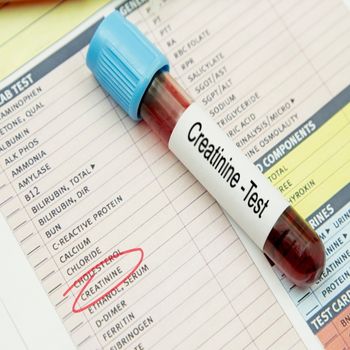
When Do I Need To Worry About My Creatinine Levels?

When Do I Need To Worry About My Creatinine

Creatinine levels are essential for your health. The groups are measured in milligrams per deciliter and are found in the blood and urine. Levels of creatinine in the blood can be measured to assess the risk of disease, but stories in urine can also be calculated for the same purposes. PRINE Health is available to assist you in learning about creatinine. Visit our website to schedule an appointment with the best nephrologist on Long Island NY.


What Are Creatinine Levels?

Creatinine levels are a measurement of the amount of creatinine in your blood. Creatinine is a waste product that is created when muscle cells break down. Creatinine is filtered out of the blood by the kidneys and is then excreted in the urine. If your creatinine levels are high, your kidneys are not working correctly. Several things, including diabetes, dehydration, or kidney disease, can cause this. It would be best if you were concerned when your creatinine levels are high. If your creatinine levels are high, contact the best nephrologist in Long Island NY.


When Do I Need To Worry About My Creatinine Levels?

Creatinine is a substance found in your blood and a byproduct of muscle metabolism. Creatinine is excreted through the kidneys. Most people with kidney disease have high levels of creatinine in their blood. This is because the kidneys can no longer filter the blood effectively. However, creatinine levels can also be high in people who do not have kidney disease. This may be caused by many things, including a condition called hypercreatininemia. Increased creatinine levels in the blood or urine characterize this condition. It is crucial to have your creatinine levels checked once a year by a healthcare provider. PRINE Health can conduct an accurate reading of creatinine and give you advice about the results. We can pair you with some of the best nephrologists in Long Island NY!


Factors Affecting Creatinine Levels

Creatinine is a waste product that is produced in the kidneys. When creatinine levels are too high, it is usually due to kidney disease. Creatinine levels are checked with a simple urine test at the doctor’s office. When creatinine levels are too high, it is usually due to kidney disease. Creatinine levels are checked with a simple urine test at the doctor’s office.


The Best Nephrologist on Long Island, NY

Creatinine levels are a part of the health check your doctor may perform to ensure you are in good health. This is a non-toxic chemical your body produces and excretes through the kidneys. There are two levels of creatinine: the first level is the level that is excreted by the kidneys, and the second is the level that is passed through the urine. Visit our website or call us today if you want the best nephrologist in Long Island NY!

Why You Should Be Taking Vitamins For CKD

Why You Should Be Taking Vitamins
Why You Should Be Taking Vitamins For CKD

Chronic kidney disease (CKD) occurs when the kidney gradually loses function over time. According to the National Kidney Foundation, chronic kidney disease is extremely common; the disease affects 30 million adults in America. When left untreated, it can become progressively worse, leading to a plethora of health complications. Complications may include:

  • High blood pressure
  • Anemia
  • Weak bones
  • Poor nutritional health
  • Nerve damage

Visiting a medical professional is the first step toward treating CKD. When you visit a nephrologist in Freeport, they may suggest you make certain lifestyle changes to help prevent the disease from further affecting your health. This could include taking vitamins with specific nutrients that promote kidney health.


Why You Should Be Taking Vitamins:

In general, vitamins and supplements can offer you a number of different health benefits. Certain health conditions, like CKD, may require you to take prescribed medications or avoid certain foods, which could lead you to miss out on nutrients.

For CKD or any other kidney complication, vitamins can be one of the best forms of treatment as well as prevention. If you suffer from kidney disease of any sort, it is highly likely that you are lacking vitamins and minerals. When you visit your nephrologist in Freeport, you can ask which vitamins your body may be lacking and how you can get back on track.


Which Vitamins Are Best For CKD:

When talking with your nephrologist in Freeport, it’s important to highlight which vitamins or minerals your body may be in need of. Being able to identify the specific kinds of supplements that can help promote kidney health is essential. If you are looking to improve your health with vitamins, you may want to consider the following:

  • B Complex
  • Iron
  • Vitamin C
  • Vitamin D
  • Calcium

Paring these vitamins together can help prevent complications that come along with CKD. Aside from knowing which vitamins you need, also be mindful of the ones you should avoid. These include:

  • Vitamin A
  • Vitamin E
  • Vitamin K

These vitamins can build up in your body and lead to a surplus, which can become harmful.


Contact A Nephrologist In Freeport:

If you or someone you know is interested in learning more about the benefits of vitamins for CKD, pay a visit to our team at PRINE Health. We offer an extensive network of nephrologists who can help guide you down the path to better kidney health. Visit our website to learn more about our locations and to schedule an appointment.

Warning Signs Of Kidney Cancer

Warning Signs Of Kidney Cancer

Being told you have cancer is never easy to hear. The earlier you are diagnosed, however, the better. Paying attention to warning signs and being seen by a doctor right away can help you have a better chance of treatment working quickly and with fewer complications. Kidney cancer occurs when healthy cells in the kidneys grow out of control to form a tumor and is one of the most common cancers among both men and women. At PRINE Health, a medical group in Bellmore, our experienced nephrologists and primary care physicians are experts in kidney care.  We can ensure you receive the best advice and care when it comes to your kidneys and can help you identify warning signs of kidney cancer to be certain that you get an accurate and early diagnosis so you can return to your optimal health as quickly as possible.


Symptoms Of Kidney Cancer:

Various symptoms can signal the possible presence of cancer in your kidneys.  Here are some of the most common symptoms of kidney cancer that should lead you to alert a medical group in Bellmore:

  • Anemia – Having a low red blood cell count is currently the most common presenting warning sign of kidney cancer.  The kidneys produce a protein called erythropoietin which promotes red blood cell production. Production halts when there is cancer in the kidneys because erythropoietin also stops being produced.  However, there are some cases where having a very high red blood cell count is a sign of kidney cancer because in some cases the tumor in the kidneys will start overproducing the erythropoietin.
  • Blood in the urine (hematuria) – About half of those with kidney cancer had blood in their urine as a warning sign.  The blood can sometimes be identified visually by the individual or the blood can be microscopic and has to be identified by a urinalysis. If you are finding blood in your urine, make sure to contact a medical group in Bellmore as soon as possible.
  • Pain in the back, side, or abdomen – The pain can be sharp or dull and in all or only one of these areas.
  • A mass on the back, side, or abdomen – Any kind of lump you notice in one of these areas can be a warning sign.
  • Cachexia – A syndrome that consists of unintentional weight loss, loss of appetite, and loss of muscle mass.  Any of these symptoms individually can also be a warning sign.
  • Extreme fatigue – Finding yourself extremely exhausted and it getting progressively worse is a common sign of any cancer.
  • Fever – The fever could be persistent or come and go but typically is more than 100 degrees Fahrenheit.
  • High blood pressure – Since one of the functions of the kidneys is to produce hormones that regulate blood pressure, continuous high blood pressure can be a warning sign and further cause more kidney damage.
  • Swelling in the feet or ankles – Similar to high blood pressure, the kidneys help regulate fluid balance in the body, and kidney cancer can affect the regulation and cause fluid build-up around the feet or ankles.


Signs Your Cancer Has Metastasized:

Over 30% of individuals who get diagnosed with kidney cancer have already experienced metastases meaning that cancer has spread to other parts of the body.  If your cancer has spread, it is likely you will also experience these symptoms:

  • Cough – This would typically be a persistent cough.  Other symptoms usually present with coughing are chest pain, wheezing, or coughing up blood.
  • Shortness of breath – Trouble breathing can start as being just when exercising and then progress to occurring regularly during daily activities.
  • Bone pain – The pain is typically severe and not associated with any kind of injury.


How A Medical Group In Bellmore Can Help You:

If you are worried about your kidney health or are experiencing any of these symptoms, visit a medical group in Bellmore for help.  The experienced nephrologists at PRINE Health are experts in kidney care and can help diagnose you with kidney cancer or any other kidney ailment as well as help you with any treatment required.  Their goal is to always keep you accurately informed, ensure that you are properly taken care of, and help you be in the best of health possible. Contact us with any questions you may have and for more information on how we can help you.

Treating A Kidney Cyst

Treating A Kidney Cyst

What Is A Kidney Cyst?

A kidney cyst is defined as a pouch that forms in your kidney and is filled with fluid. There can just be one cyst on one of your kidneys or even multiple cysts on both kidneys. While they can become dangerous, by impairing the function of your kidneys or be the result of a more serious disorder, you should know that most are usually harmless. A kidney specialist on Long Island can alert you on the severity of your cyst by determining if it is one of the two types of cysts:

  • “Simple” Kidney Cysts – These cysts are noncancerous, and can usually be identified by their thin walls and water-like fluid. These cysts do not damage your kidney functions.
  • Polycystic Kidney Disease – PKD, an inherited condition, causes multiple cysts to form on your kidneys. This can cause damage to your kidneys as they continue to grow.


How Do I Know If I Have Cyst?

Oftentimes, you may not experience any symptoms of a kidney cyst. If the cyst is continuously growing though, the size of it may begin to lead to pressure on nearby organs. You may be suffering from a simple cyst if you experience the following symptoms:

  • Dull pain in the back or side
  • Fever
  • Experiencing pain or swelling in your upper abdomen
  • Frequent urination (more often than normal)
  • Dark colored urine
  • Blood in your urine

While most of the symptoms remain the same, PKD may cause symptoms such as:

  • High blood pressure
  • Pain in back and side
  • Blood in your urine


Why You Should Get Tested:

If you suspect that you are suffering from a kidney cyst, getting tested should be your first priority. A kidney specialist on Long Island can diagnose you, and then determine how to proceed with treatment. If you ignore the signs and allow the cyst to grow large enough it could become as big as a tennis ball. This can lead to further complications, other than just pain or discomfort. Other complications may include:

  • An infection within the cyst
  • The cyst bursting
  • The cyst causes a blockage of urine out of the kidney
  • High blood pressure.

For those suffering from PKD, if left untreated, it will often lead to kidney failure by the age of 60.


The Diagnosis:

In order to conduct testing on your possible kidney cyst, a kidney specialist on Long Island will likely choose from the following image tests:

  • CT Scan (computed tomography)
  • MRI (magnetic resonance imaging
  • Ultrasound


Treatment:

In rare cases, after the diagnosis, your doctor may suggest sclerotherapy (draining of the cyst) or even surgery. Typically though, if it is a simple cyst, it is not causing much harm. Your kidney specialist on Long Island will then recommend that you continue to get tested every 6 to 12 months to keep an eye on its size. If it does not get any larger you won’t have to take any serious action.

If you believe you are suffering from a kidney cyst, there is a kidney specialist on Long Island who can help! At PRINE Health, we realize that kidney care is often overlooked. That is why we’ve created a network of nephrologists to help create an integrative team approach to healthcare. With an extensive list of providers, there is no doubt that we can help treat your kidney cyst! Visit our website to schedule an appointment with a nearby provider today!

Pyelonephritis

Pyelonephritis blog post


What Causes Pyelonephritis?

Pyelonephritis, commonly referred to as a kidney infection, is a serious condition that requires immediate medical attention. This condition is considered a type of urinary tract infection (UTI).  It begins with bacteria traveling through the urethra and up the urinary tract to the kidneys. This can potentially cause permanent damage to the kidneys and can result in an infection in the bloodstream.

If not treated properly, pyelonephritis can become life-threatening and may require hospitalization. If you think you have this condition, a kidney specialist on Long Island can offer treatment to prevent it from worsening and reverse the infection.


Symptoms Of Pyelonephritis (Kidney Infection):

Knowing the signs and symptoms of pyelonephritis early on can help you prevent the infection from spreading throughout the body. If you recognize any of the following symptoms, visit a kidney specialist on Long Island:

  • Fever
  • Back, side, and/or groin pain
  • Frequent urination
  • Burning pain when urinating
  • Urine that has pus/blood and smells foul
  • A preexisting UTI that doesn’t improve with antibiotics


Who Is At Risk For Pyelonephritis

  • Females – Due to the fact that females have a short urinary tract, it is easier for an infection to enter the urinary tract and travel to the kidneys. For pregnant women, the risk is even greater.
  • Weak Immune Systems – Those who have weak immune systems because of illness, certain medications, and certain conditions like HIV/AIDS or diabetes are at higher risk of getting pyelonephritis.
  • Using a Catheter – Since a catheter is in direct contact with your urinary tract, it makes it easier for bacteria to enter and wreak havoc. The use of a catheter should be monitored by a medical professional.


Prevention:

There are certain precautions you can take to reduce the chances of suffering from a kidney infection. Drinking the right amount of water on a daily basis can help flush out infections and keep your urinary tract lubricated. Making sure that you urinate as often as you need to can also keep your bladder clean. In addition to keeping the inside of your body clean, make sure that you do the same for the outside. Make sure you avoid introducing any kind of bacteria to the genital area to prevent an infection from the beginning and spreading through your urinary tract.


How Can A Kidney Specialist On Long Island Help?

If you think you may have a kidney infection, reach out to a kidney specialist on Long Island immediately! By doing that you’ll be able to prevent it from causing any serious damage to your kidneys. We need our kidneys to be as healthy as possible, which means preventing any issues should be of the utmost importance. Contact PRINEhealth now to schedule an appointment with one of our providers near you!

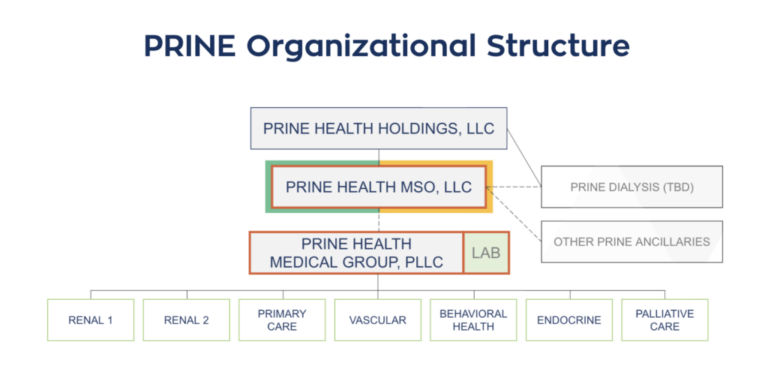
A Novel Nephrologist-Led, Value-Based Approach To Kidney Care.

A Novel Nephrologist-Led


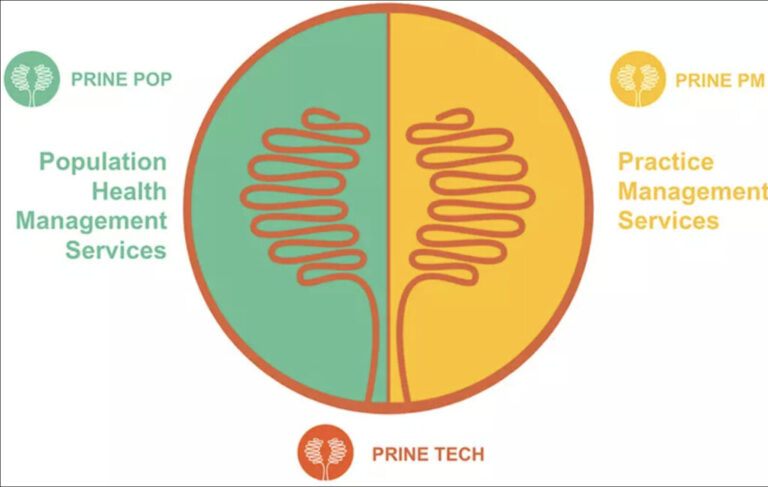
Prine MSO Services Offered


Practice Management

  • Finance
  • Revenue Cycle
  • Provider Relations
  • Marketing & Recruitment
  • Managed Care Contracting
  • HR & Payroll
  • EMR & IT Support
  • Compliance
  • Vendor Management

Practice Management

  • PRINE Home Dialysis Support
  • ESRD Revenue Cycle
  • Dialysis Training
  • Transplant Evaluation
  • Transplant Support Service


PRINE POP

  • Data Analytics and Data Mining
  • Predictive Analytics and novel technologies
  • Value-Based and Population Health Contracting
  • PCKH (patient-centered kidney home) support program
  • Behavioral Health Counselling and Support
  • Nutritional Support and Obesity Counselling
  • CMS Screening Code optimization: Chronic Care Management, Advanced Care Planning, Depression/ Tobacco/ Substance Abuse Screening, Transitional Care support
  • Home Care support
  • Telehealth and Telenephrology
  • CKD & ESRD Education


Consulting Services

  • Practice optimization
  • Research Coordination

Nephrectomy

nephrectomy is a procedure that can remove part of all of your kidney. Someone who is undergoing kidney removal surgery is typically suffering from kidney cancer or needs to have a noncancerous tumor taken out. On rare occasions, you may need to get a nephrectomy due to disease or severe kidney damage. If you suffer from any medical conditions that may affect your kidneys, you must visit a kidney specialist in Nassau County who can provide you with the best possible care. At PRINE Health, our team of nephrologists, primary care physicians, and other complementary physicians specialize in kidney treatment and can help weigh out your options regarding kidney problems.


Types of Nephrectomy:

If your doctor has determined that kidney removal surgery is the next step for you, you must be aware of the different forms of the procedure. Below are the different types of nephrectomies that are typically performed:

  • Simple nephrectomy – This involves removing a person’s entire kidney; your surgeon will likely make a large incision on your side to help completely remove the kidney.
  • Partial nephrectomy – This only involves removing part of the kidney; the surgery follows the same process of a simple nephrectomy but the incision is much smaller. 
  • Laparoscopic nephrectomy – This procedure can be used for both full or partial kidney removal, it involves the use of small instruments, including a camera, so that your surgeon can see inside during the removal.


Are There Risks?

Generally speaking, a nephrectomy is a safe procedure, but of course, it can come with minor risk factors as any other surgery would. When you meet with a kidney specialist in Nassau County, they can go over the following risks, which are rare, but could occur:

  • Bleeding or blood loss
  • Possible infection
  • Injury to nearby organs

Other serious problems may occur due to the long-term complications that come along with decreased kidney function. This could include high blood pressure or Chronic Kidney Disease (CKD).


Preparing For Kidney Removal: 

Like any procedure, you should consult with your kidney specialist in Nassau County about preparing for surgery. This may include indicating whether or not you are on any specific medications, even over-the-counter ones. You will also need to have blood taken at least one week prior to having the surgery so that everyone in the operating room is aware of your blood type in case a transfusion is required. Lastly, like many other surgeries, you will have to fast and stop drinking liquids for some time before your kidney removal surgery.


Contact A Kidney Specialist In Nassau County:

If you or someone you know may need to get a nephrectomy, or would just like to learn more about this procedure in general, our team at PRINE Health can help. As a medical group made up of nephrologists, primary care physicians, and other complementary physicians, our main goal is to combat CKD and other kidney-related conditions. We can work with you to make sure you are comfortable and prepared for a surgery like this. To schedule an appointment at one of our many locations, visit our website.

Book an Appointment