









Lifestyle and Chronic Kidney Disease: What the Evidence Says


What does the evidence say about lifestyle and chronic kidney disease? Blood pressure, sodium, nutrition, and movement, explained by nephrologists.

What does the evidence say about lifestyle and chronic kidney disease? Blood pressure, sodium, nutrition, and movement, explained by nephrologists.
Kidney wellness is the daily, between-visit work that supports kidney health: blood pressure, nutrition, movement, and habits. Here is what it means.
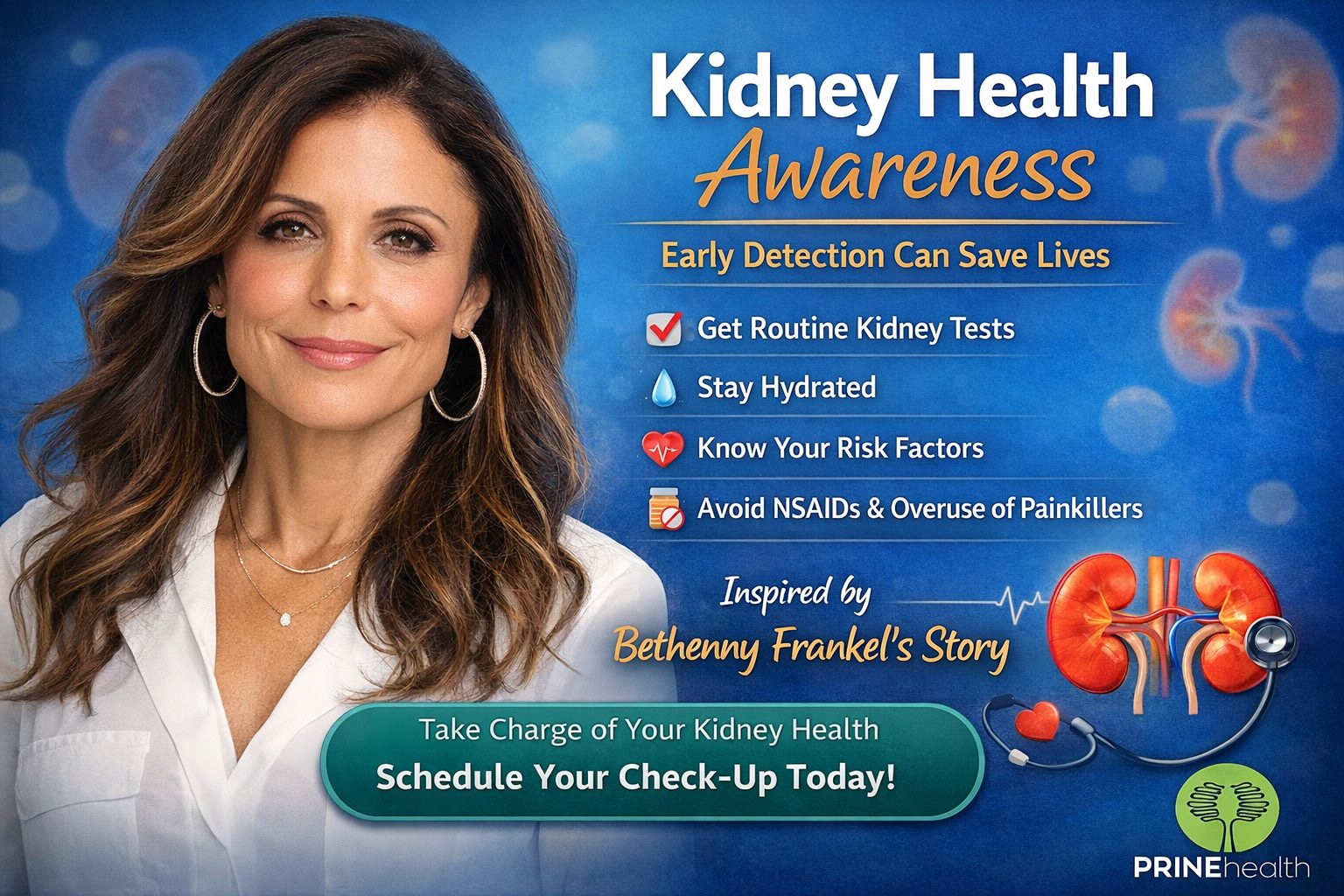
Chronic kidney disease (CKD) is a silent health concern affecting millions worldwide, often developing quietly with few noticeable symptoms until it’s advanced. Recently, media personality Bethenny Frankel opened up about her own CKD diagnosis, and her message carries an important public-health lesson about early detection and proactive care.
Bethenny Frankel’s Kidney Health Journey
Bethenny Frankel — best known from The Real Housewives of New York City and as founder of Skinnygirl — revealed that she has been diagnosed with stage 2 chronic kidney disease at age 55. She shared her experience on social platforms to encourage others to stay on top of their health with regular testing.
Here’s what she emphasized:
Bethenny’s candid openness is a valuable reminder that kidney issues don’t always show symptoms — and that taking simple steps to monitor your health can make a big difference.
Understanding Chronic Kidney Disease (CKD)
Your kidneys play essential roles:
When kidneys are damaged, waste and fluid can build up, leading to health problems over time. CKD is typically grouped into stages 1–5 based on how well the kidneys function. Early stages, like stage 2, mean mild loss of function — but it’s still manageable with care.
Why Awareness Matters
Early CKD often has no obvious symptoms, which is why routine testing is crucial — especially if you have risk factors like high blood pressure, diabetes, obesity, or a family history of kidney disease.
Checklist for Kidney Health Awareness
 Get regular bloodwork and kidney function tests — ask your provider about GFR (glomerular filtration rate) and ACR (albumin-creatinine ratio). Know your risk factors — high blood pressure and diabetes are leading causes of CKD. Don’t ignore “mild” lab results — small abnormalities in kidney function tests can be a signal to follow up. Talk openly with your healthcare team — early guidance is a powerful tool.
Simple Steps for Better Kidney Health
Whether you’re aiming to prevent CKD or support existing kidney function, consider these evidence-based strategies:
Stay Hydrated
Water helps kidneys flush out waste and maintain fluid balance — an important step in kidney health.
Maintain Healthy Blood Pressure & Blood Sugar
High blood pressure and diabetes are top risk factors. Keeping them controlled is central to kidney protection.
Eat a Balanced, Kidney-Friendly Diet
A diet lower in sodium and rich in fruits, vegetables, and whole foods can help preserve kidney function and support overall health.
Be Active and Maintain a Healthy Weight
Physical activity helps with blood pressure, blood sugar, and weight control — all linked to kidney health.
Avoid Harmful Substances
Too much NSAIDs (like ibuprofen) and unnecessary supplements can harm kidneys over time. Frankel’s doctor specifically recommended avoiding these as part of her care plan.
Follow Medical Advice & Get Regular Follow-Ups
If kidney function is declining, working with your provider and possibly a nephrologist ensures the best long-term outcomes.
Takeaway: Awareness Saves Lives
Bethenny Frankel’s decision to share her kidney disease diagnosis isn’t just personal — it’s a brace of health encouragement:
 Check your labs. Listen to your body. Talk to your doctor if anything feels off. Stay informed and proactive.
Kidneys work hard for us every day — giving them the attention they deserve through awareness, prevention, and good habits can make all the difference.
As we enter a new year, it’s a natural time to reflect on progress, set intentions, and recommit ourselves to what matters most: health, longevity, and quality of life. At PRINE Health, the new year represents more than a change on the calendar; it is an opportunity to reaffirm our dedication to exceptional nephrology care and to the patients and communities we proudly serve.
Why Kidney Health Matters More Than Ever
Kidney disease continues to affect millions of individuals, often without obvious symptoms in its early stages. Chronic kidney disease (CKD) can progress silently for years, making early detection and proactive management essential. With rising rates of diabetes, hypertension, and cardiovascular disease, nephrology plays a critical role in identifying risk early and slowing disease progression.
At PRINE Health, we believe awareness is the first step toward prevention. Routine lab testing, blood pressure control, and timely nephrology involvement can make a meaningful difference. Kidney health is closely connected to heart health, metabolic health, and overall well-being—protecting the kidneys helps protect the whole person.
Looking Ahead: Progress and Innovation in Nephrology
The field of nephrology continues to advance, offering new opportunities to improve patient outcomes. From enhanced diagnostic tools to evolving treatment options that help preserve kidney function, innovation is reshaping kidney care.
PRINE Health remains committed to staying at the forefront of these advancements while delivering thoughtful, individualized care. We emphasize a patient-centered, team-based approach that goes beyond numbers and lab results—focusing instead on long-term health, education, and quality of life.
Prevention, Education, and Early Intervention
As we move into the new year, prevention remains one of our most powerful tools. Managing blood pressure and blood sugar, maintaining a kidney-friendly diet, staying well hydrated, and avoiding unnecessary medications that may stress the kidneys can all help reduce risk.
Education is central to our mission at PRINE Health. By empowering patients with knowledge about their kidney health, we help them take an active role in their care. We also value close collaboration with primary care providers and specialists to ensure kidney disease is identified early and managed effectively.
Supporting Patients at Every Stage of Kidney Disease
Kidney disease is not a one-size-fits-all condition, and neither is its care. Whether a patient is newly diagnosed with early-stage CKD, managing advanced disease, or navigating dialysis or transplant care, PRINE Health is committed to providing compassionate, comprehensive support.
We understand that kidney disease can be overwhelming. Our role extends beyond clinical treatment to include guidance, reassurance, and partnership. By fostering trust and continuity of care, we aim to support patients and families through every stage of their journey.
Our Commitment in the Year Ahead
As a nephrology-based medical group, PRINE Health enters the new year with a clear commitment:
We believe that stronger kidney care leads to healthier lives—and that the best outcomes are achieved through collaboration and trust.
Moving Forward Together
The start of a new year is a reminder that small steps today can create meaningful change tomorrow. Whether it’s scheduling routine labs, asking questions about kidney health, or strengthening care partnerships, every action matters.
As we move into the year ahead, PRINE Health looks forward to continuing our work with renewed purpose—advancing nephrology care, supporting our patients, and building healthier futures together.
Call us today at 516-951-1110 to schedule your appointment!
In today’s fast-paced world, traditional oral supplements and nutrition methods aren’t always enough to meet our body’s complex needs. IV nutrient therapy has emerged as a revolutionary approach to wellness, offering direct-to-bloodstream delivery of essential nutrients that bypasses the digestive system entirely.
Oral medications must be absorbed through the digestive system and processed by the liver, which reduces the amount that reaches the bloodstream. In contrast, IV medications go directly into the bloodstream, providing 100% of the dose.
Your body’s ability to absorb nutrients through traditional means can be compromised by various factors:
“Oral drugs, unlike drugs with other ROAs (e.g., IV medications), must undergo intestinal absorption and hepatic first-pass metabolism. This process reduces bioavailability, meaning that the fraction of the drug reaching systemic circulation is lower compared to intravenous administration, where bioavailability is assumed to be 100%.” – (StatPearls, National Library of Medicine, 2023)
When vitamins and minerals enter your bloodstream directly, they bypass the digestive system’s limitations, allowing for:
This medical-grade delivery system has transformed from a hospital-only treatment to a proactive wellness tool, making optimal nutrition more accessible than ever before.
IV nutrient therapy is a method that delivers essential vitamins and minerals directly into the bloodstream. This approach ensures rapid hydration and optimal nutrient absorption, making it an effective solution for various health concerns.
Maintaining proper hydration and nutrient levels is crucial for your overall health.
Key benefits include:
As you explore the world of IV drip hydration, you’ll discover how this therapy can significantly impact your well-being. If you’re searching for “IV hydration near me” or seeking to hydrate your health, understanding these surprising benefits will empower you to make informed choices about your health journey.
IV infusions are a powerful way to boost energy metabolism and fight fatigue. By delivering nutrients directly into your bloodstream, they can be absorbed immediately for quick results. PRINE Energize is specifically designed to significantly increase your energy levels.
This blend includes vitamins B1, B2, B3, B5, and B6. These vitamins play an essential role in converting food into energy, enhancing your body’s ability to metabolize carbohydrates and fats effectively.
Proline, Arginine, Lysine, and Citrulline are included in the formula. These amino acids contribute to improved muscle function, reduce fatigue during physical activity, and promote better recovery post-exercise.
This vitamin is crucial for preventing fatigue and supporting overall vitality. It aids red blood cell production and maintains healthy nerve function. A deficiency in Vitamin B12 can lead to feelings of weakness and exhaustion.
The combination of these ingredients in PRINE Energize works together to boost your energy levels. By addressing both metabolic processes and nutrient deficiencies, this IV infusion offers a comprehensive solution for reducing fatigue.
Experiencing low energy can have a significant impact on your daily life. With PRINE Energize, you can effectively fight that fatigue while enjoying the many benefits of IV nutrient therapy.
IV nutrient therapy plays a crucial role in enhancing immune function, allowing your body to effectively combat infections. This therapy delivers essential nutrients directly into the bloodstream, ensuring rapid absorption and utilization by your cells. The PRINE Immunity Infusion is specifically designed to bolster your immune defenses.
A powerful antioxidant known for its ability to strengthen the immune system. It aids in the production of white blood cells, which are vital for fighting off pathogens.
An essential mineral that supports immune function and reduces inflammation. Zinc plays a critical role in the development and activation of T-cells, which are crucial for adaptive immunity.
This formulation also includes a blend of B vitamins (B1, B3, B2, B5, and B6), which assist in energy production and enhance overall vitality. These vitamins are important for maintaining optimal cellular function and resilience against stressors.
The combination of Vitamin C and Zinc in the PRINE Immunity Infusion works synergistically to:
Investing in immune support through IV infusions can lead to significant improvements in your health, providing a proactive approach to wellness that ensures your body is ready to face challenges.
Hydration is crucial for improving skin health. When your body is properly hydrated, it helps maintain the elasticity and overall appearance of your skin. IV nutrient therapy offers a direct way for essential nutrients to enter your bloodstream, ensuring optimal hydration and nutrient delivery for healthier skin.
The PRINE Radiance formula is specifically designed to enhance your complexion. Its powerful blend includes:
Hydrate your health with IV nutrient therapy like PRINE Radiance to experience noticeable benefits in your skin’s appearance. The infusion not only revitalizes your complexion but also targets underlying deficiencies that may lead to dullness or dryness. Regular sessions can significantly contribute to achieving a vibrant, healthy look by ensuring your body has the necessary tools for effective skin repair and rejuvenation.
Incorporating these nutrients into your wellness routine enhances both internal health and external beauty, creating a holistic approach to skincare.
IV nutrient therapy plays a significant role in supporting the body’s natural detoxification processes. One of the most effective forms is NAD+ infusion therapy, which delivers nicotinamide adenine dinucleotide (NAD+) directly into your bloodstream. This coenzyme is vital for various cellular functions, including energy production and metabolism.
The importance of detoxification support cannot be overstated. By facilitating the elimination of harmful substances from your body, you may experience:
Incorporating NAD+ IV therapy into your wellness routine can provide substantial health benefits. With options like iv drip therapy available at clinics offering iv vitamin therapy, finding “iv infusion therapy near me” could lead to transformative results for your well-being.
Prioritize your health by exploring how NAD+ infusion can aid your body’s natural detoxification processes while promoting overall vitality.
Personalized nutrition is essential for improving health outcomes. Each person’s body has specific needs based on factors like lifestyle, age, and existing health issues. An effective way to address these needs is through customized vitamin blends delivered via IV nutrient therapy.
PRINE offers a range of IV Wellness Formulas designed to meet different wellness goals:
Finding the right IV infusion requires understanding your personal health goals. Here are some steps to help you in the process:
By aligning your IV therapy with specific wellness objectives, you can expect significant improvements in your overall health and vitality.
IV nutrient therapy offers a unique opportunity to improve your well-being and address specific health needs. The unexpected benefits discussed—such as increased energy levels and better skin health—show its potential as a valuable tool for enhancing health.
Here’s what you can do:
To experience these benefits, book an IV therapy session today or call us at (516) 408-1900. With locations in Bellmore, Plainview, and Garden City, NY, PRINE Health offers convenient access to top-quality care across Nassau County. During your consultation, a qualified wellness provider will help you choose the right treatment plan tailored to your specific needs. Embrace this innovative approach to boost your energy and support your overall health journey!
When facing kidney disease, it’s essential to know that you will need to make changes in your diet. You will need to work with your doctor to create a plan. Always remember to consult with your doctor about the best dietary options when dealing with kidney disease, and follow best practices to stay as healthy as possible.
Let’s look at what foods are good or bad, and why?
Some of the Best Dietary Options for Dealing with Kidney Disease
Some of the Worse Dietary Options for Dealing with Kidney Disease
When Kidneys are damaged, one may not want to consume as much liquid because the kidneys may not expel extra fluid as they normally would. Fluid building up in the body can lead to high blood pressure, painful swelling, and even heart failure. It’s especially important to avoid sodium to reduce thirst. If the nutria label says an item has 20% or more sodium, it is considered high in sodium. The item should be avoided. Seek to eat foods that have moderate levels of protein and very low sodium. Be aware of your fluid intake and choices.
Food choices are important, but even more so, you should know what liquids to avoid, such as:
Of course, there will be times when you might have to be at a function where alcohol and other foods are being served. In those cases, opt for light-colored sodas like 7-up or Sprite. When possible, choose water, of course. You won’t be able to tell what items are good or bad for you or are full of salt or sugar. Party, food doesn’t come with a label but suffice to say, eat lightly, bite cake rather than an entire piece, make a small plate, and taste rather than binge.
If you are in stage 1 or 2 and even stage 3, you might not feel some of the effects of the food you are eating all the time. The sooner you get on top of things, the longer you can stave off digression and extensive damage. The more you abuse your kidneys with poor food choices, the more they head toward failure.
Vitamins:
To combat the possible side effects of kidney disease such as bone disease and anemia, consuming a proper amount of vitamin D, folic acid, and iron is suggested. Beware of the general multi-vitamin which may not be suitable for you. You may consider PRINE Health’s nephrology formulated, PRINE VITE Complete. As always, consult with your doctor.
Fast Food:
Generally speaking, fast food is often a very poor choice for someone facing renal failure. In fact, fast food is usually not suitable for any diet. The products produced at fast-food restaurants are loaded with salt and sugar, as well as bad fats. These products are processed foods, and your best bet is to eat organic, low salt, and good fats as opposed to something created in a factory.
The Rules of Protein:
When a person eats protein, the body creates waste that the kidneys have to filter through.
You need protein in your diet, but if your kidneys are damaged, you will have to be careful to eat. Typically, lower protein diets are protective for your kidneys.
There are two kinds of protein – plant-based and animal-based.
Animal-Protein Options:
Planet-Based Protein Options:
In general, the main thing is to work with your doctors, both your general practitioner and your specialists, to create a diet you can live with that will give you both the best quality of life and the best kidney health possible.
No one wants to be restricted in their diet. It’s not fun. We all have our favorite foods. For some, it’s pizza and burgers, for others, cake, and ice cream. Within reason, you can have small treats to take the edge off the restricted diet you may need to follow. Still, a solid plan for healthy kidney food will be an essential element of your treatment and overall well-being.
If you seek advice from experts on the best dietary options for Kidney disease or for any questions related to Kidney Disease, please reach out to us at PRINE Health. We have kidney specialists and clinical nutritionists who can work together to create the best path for your future kidney health.
At PRINE Health, we believe in empowering our patients with the knowledge to manage conditions such as kidney disorders, diabetes, and obesity. A balanced diet plays a crucial role in this process, emphasizing the importance of both macronutrients and micronutrients. Here’s a concise guide to these dietary components and how our new nutrition consult service can assist you.
Macronutrients are essential because they provide the energy our bodies need to perform their functions, including growth, repair and maintenance of bodily tissues, and providing the fuel for physical activity. They are required in larger amounts. Carbohydrates are the body’s primary energy source, proteins are fundamental for tissue repair and enzyme functions, and fats insulate and protect our organs, as well as provide a concentrated source of energy and support cell growth.
Micronutrients, despite being needed in smaller amounts, have major impacts on our health. They include vitamins and minerals that our bodies cannot produce sufficiently. Micronutrients support a range of functions, from producing enzymes, hormones, and other substances crucial for proper growth and development to maintaining strong bones and ensuring the health of our nervous and immune systems.
Understanding the intricacies of a balanced diet can be challenging, especially when dealing with specific health conditions. At PRINE, we now offer online virtual nutrition consultations tailored to kidney disorders, diabetes, obesity, and related conditions. These consults complement your physician’s advice by focusing on your dietary needs and offering personalized information, resources, and dietary strategies.
Discuss with your physician and reach out to PRINE Health for a nutrition consult that’s tailored to you. Visit our website to learn more or to request a consultation. Let’s work towards a balanced diet supporting your health.
 Kidney stones are a common health condition that affects millions of people worldwide. These hard deposits form in the kidneys and can cause significant pain and discomfort as they pass through the urinary tract.
A kidney stone is a solid piece of material that forms in the kidney from substances in the urine. They can vary in size and shape, with some being as small as a grain of sand, while others can grow to the size of a golf ball. The stones are made of various materials, but the most common types include calcium oxalate, uric acid, struvite, and cystine. Kidney stones are prevalent, affecting about one in ten people at some point in their lives, and they tend to be more common in men than women.
Diet plays a significant role in the formation of kidney stones. Certain foods and drinks can increase the possibility of stone formation, particularly those high in sodium, oxalates, and animal proteins.
Staying hydrated is one of the most effective ways to prevent kidney stones. Drinking plenty of water helps dilute the substances in the urine that lead to stones.
Incorporating foods rich in calcium and magnesium can also help prevent certain stones. Some supplements may aid prevention, but it’s crucial to consult a healthcare provider before starting any new supplement regimen.
Kidney pain is often a clear indicator that something is wrong with your kidneys. It’s crucial to be alert if you experience severe pain in your back, side, lower abdomen, or groin—an indicator of kidney stones or possibly an infection. Also, look out for other symptoms like painful urination, blood in the urine, nausea, vomiting, fever, or chills. These symptoms, especially when combined, need immediate medical attention as they could signify a kidney stone in motion or an infection requiring prompt treatment.
If you suspect you have kidney stones, a thorough examination is essential. This may include a medical history review, physical examination, urine tests, blood tests, and imaging studies.
A nephrologist is a physician who specializes in kidney health and diseases. They are vital in assessing kidney function, determining risk factors for stone development, and implementing strategies to prevent future stones. They can also manage complications associated with kidney stones, such as kidney infections or damage. Their expertise in the various systemic diseases that affect the kidneys, like hypertension and diabetes, can be critical if your condition is complex.
While a nephrologist will help with the medical management of stones and any associated kidney issues, a urologist is a surgeon who specializes in diseases of the urinary tract and the male reproductive system. They are instrumental when kidney stones require intervention beyond medication.
Treatments such as shock wave lithotripsy, ureteroscopy, or percutaneous nephrolithotomy to remove or break up stones are within their scope. A urologist will also manage the surgical aspects of any urinary obstruction, ensuring that urine flow is restored and kidney function is preserved.
Surgical options may be necessary for stones that cannot pass on their own or cause ongoing problems. The most common procedures include:
If you’ve had surgery for an obstructing kidney stone, you may have a stent placed temporarily. This thin, flexible tube helps keep the ureter open, allowing urine and any remaining stone fragments to pass more easily.
Living with a stent can be uncomfortable, with potential symptoms including pain, urinary urgency, and a feeling of incomplete bladder emptying. Drinking plenty of water can help ease these symptoms until the stent is removed, usually within a few weeks post-operation.
In conclusion, while kidney stones are common and can be quite painful, understanding the factors that contribute to their formation and knowing the treatment options available can help manage and prevent future stones. Maintaining a healthy diet, staying hydrated, and consulting with healthcare professionals specializing in kidney and urinary tract health are key steps in navigating the path to recovery and prevention.
Your health is our priority at PRINE. If you have any concerns or questions about your health, do not hesitate to contact us and request an appointment with our team of expert doctors. Here’s to living a healthier, happier life!
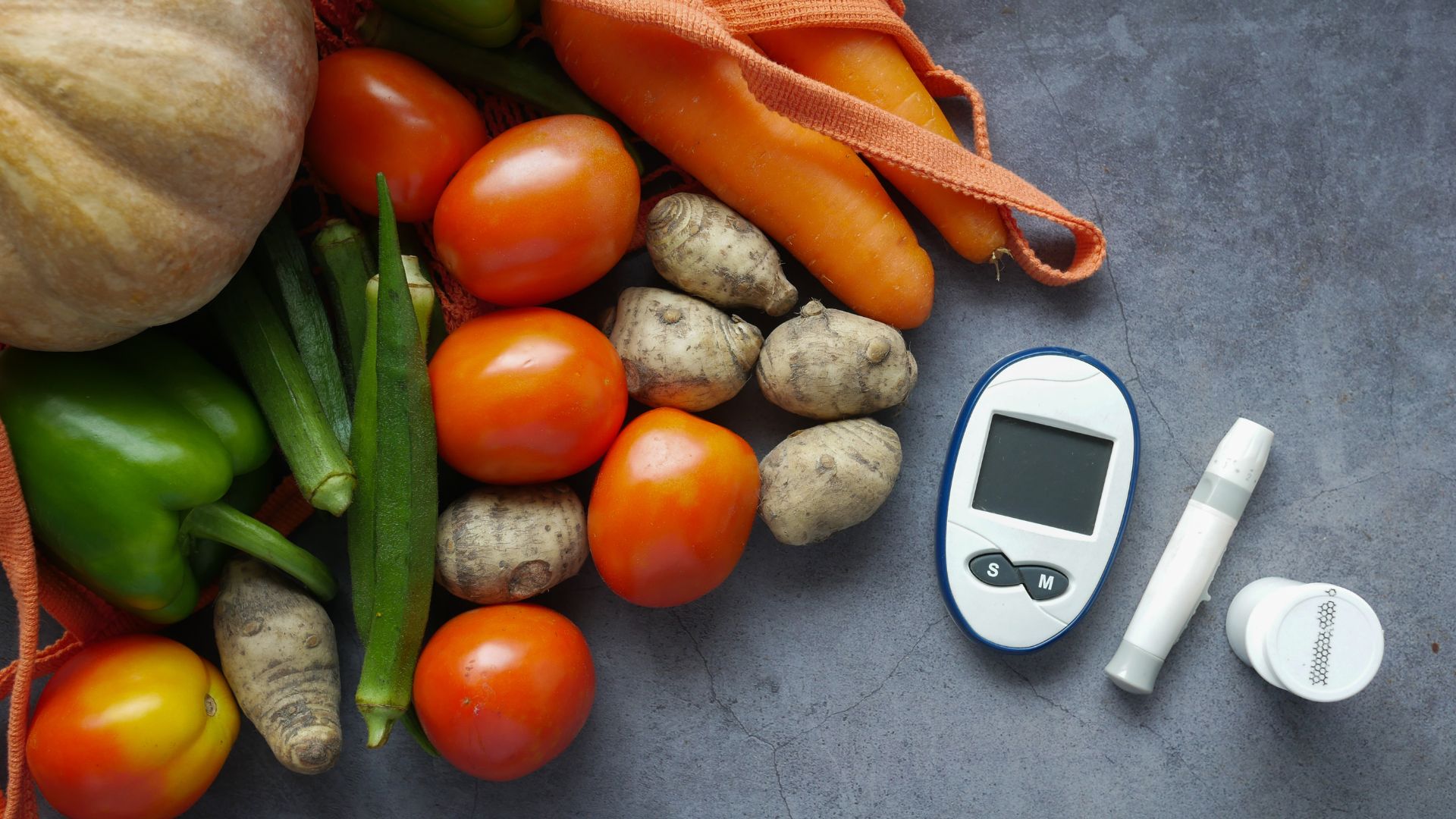
Living with uncontrolled high blood sugar (diabetes) or high blood pressure (hypertension) can pose a significant risk to your kidneys’ well-being. Medical experts have affirmed the link between these chronic illnesses and compromised kidney health, underlining the need for timely management and intervention. Considering Chronic Kidney Disease (CKD) affects approximately 15% of the general US population, according to the National Kidney Foundation, it’s time we took a deep breath and dived headfirst into the management of diabetes and hypertension.
Hypertension and diabetes significantly impact kidney health, as both conditions can damage the kidneys’ tiny blood vessels over time. With diabetes, the body’s abnormally high blood sugar levels can lead to glomerulosclerosis. In this condition, the kidneys’ small filtering units, the glomeruli, become scarred and unable to filter waste and toxins from the bloodstream effectively, leading to kidney disease. Almost 1 in 3 people with diabetes will have Diabetic Nephropathy (kidney disease), and it is the leading cause of kidney failure in the United States.
Similarly, hypertension forces the heart to pump blood more intensely, placing extra pressure on all blood vessels, including the delicate ones in the kidneys. The consistent force exerted by high blood pressure can cause kidney damage and eventual kidney disease. High blood pressure is the second leading cause of kidney failure in the United States after diabetes, as 25% of kidney patients have high blood pressure as the main cause of their kidney failure.
Together, uncontrolled diabetes and hypertension can lead to accelerated kidney damage, potentially resulting in kidney failure.
Your kidneys are small but mighty. They are your body’s filtration system, removing waste products from your bloodstream to help maintain a healthy internal environment. However, high blood sugar levels and pressure can overload them, causing irreversible damage. Therefore, managing diabetes and hypertension is necessary for maintaining healthy kidneys.
While there’s no definitive cure for diabetes, you can manage the disease and take the strain off of your kidneys.
The critical step in managing diabetes is maintaining a balanced diet. By consuming high-fiber, low-sugar meals, you limit the amount of sugar that enters your bloodstream, reducing strain on your kidneys. Next, practice regular exercise. Physical activity helps to regulate your blood sugar, preventing drastic swings that can cause damage to your kidneys. Lastly, make sure to attend those doctor appointments. Regular check-ups ensure you’re on the right track and catch potential complications early.
Regular exercise benefits individuals with high blood pressure as well. By engaging in regular physical activity, you strengthen the heart, reducing the force needed to pump blood, thus lowering your blood pressure. A healthy diet (low in salt and high in fruits and vegetables) also lowers blood pressure. Just as with diabetes, regular check-ups are a necessary step in managing your hypertension.
Poor kidney health, often exacerbated by diabetes and hypertension, can manifest through several common symptoms. People might experience fatigue and weakness due to the kidneys’ inability to make enough erythropoietin, a hormone that stimulates red blood cell production.
Another common symptom is swelling or puffiness, especially around the ankles, eyes, and feet, due to kidneys being unable to remove enough excess fluid from the body. An increased need to urinate, especially at night, changes in urine appearance, or a decrease in urine output can also indicate kidney issues.
Other symptoms include persistent itching resulting from the buildup of waste in the blood, a lack of appetite, and concentration problems. Noticing blood or protein in the urine, often discovered during routine urine tests, is another critical sign of poor kidney health.
It’s essential to remember that these symptoms might not become noticeable until kidney function has significantly decreased, highlighting the importance of regular monitoring and early intervention, especially for those with diabetes or hypertension.
At PRINE Health, your health is our top priority. Regular kidney function tests are important to detect problems early. Don’t wait for symptoms to show. If you have diabetes or hypertension, schedule regular check-ups to stay ahead of any kidney-related concerns. By managing these conditions, you are securing your kidney health and promoting your overall well-being.
Book your consultation today and protect your kidney health with us. Don’t forget to follow us on social media to keep up with all our news and insights about our multidisciplinary approach to kidney care.
Understanding the connection between the heart and the kidneys is simple enough, but we commonly forget that when one of them is in trouble, the other one usually is as well—or is close behind. Fortunately, this is true in the inverse as well: Taking care of your heart is taking care of your kidneys. This article explores the connection between these two vital organs and describes a few ways that you can take care of your vascular system if you struggle with kidney disease.
The heart pumps blood throughout the body, the lungs oxygenate it, and the kidneys—connected to the vena cava and aorta—clean it up of toxins and waste before they throw it back into the veins and arteries. We then expel the waste and toxins in urine. By controlling sodium and water balance, the kidneys help the heart regulate blood pressure. Of course, blood pressure is a more complicated matter than that, but it is clear that kidneys are crucial. Finally, kidneys also regulate electrolyte balance, some of which are essential for the myocardium—namely potassium, sodium, magnesium, and calcium.
Cardiovascular disease, which is usually present in chronic kidney disease, is a leading cause of mortality in CKD, especially in its end stages. This is all the more reason to make sure we protect the heart as we protect the kidneys.
The first step to ensure proper health for both systems is detection. Of course, this may seem reductionist, but it truly is the best way to get ahead—and there is more to do. This is especially important for patients with diabetes, as it poses the primary risk for kidney disease. Nephrologists insist that a yearly blood test screening for glomerular filtration rate and a urine test looking for protein in urine are excellent ways to find any issues in your kidneys, as well as keeping an eye on your vascular well-being.
On the subject of proteins, the human body has a steady supply of proteins, like ferritin and elastin. Among these is albumin, a protein produced by the liver that is responsible for binding and transporting substances like hormones, vitamins, enzymes, and drugs throughout the bloodstream. It also keeps fluid from leaking from your blood vessels. Albumin is also the first substance to leak through to your urine when the kidney’s glomeruli start to fail. Consult your nephrologist if you present one of the following symptoms, as it may be an indicator of proteinuria:
What’s more, detection can help in finding the source of any issues you may present, allowing you and your doctor to make more informed decisions for your treatment.
Kidney health starts with water—the clear, simple H2O compound without any additives. Water makes up most of our cellular structure. Constant hydration helps blood vessels work better, including those in the kidneys. It also allows your heart to pump more blood, and it helps oxygen reach your muscles. In the kidneys, it helps prevent stone-forming crystals and lets you produce more urine to expel more waste. Additionally, experts suggest a few more practices to keep both organs healthy.
Diet is also important. It is essential to keep a close eye on cholesterol and triglyceride levels. These two substances can influence the way that kidney and heart conditions evolve. Experts also suggest reducing salts, simple sugars—as you’d find in soda and candy—and saturated fats. In moderation, these substances should be no issue, but cutting them down while struggling with kidney problems is giving your kidneys a step up in their recovery. While we’re on the subject of intake, doctors also suggest reducing ibuprofen and other non-steroidal agents, as kidneys have no way to deal with them.
Activity and weight control are another priority. Physical activity is linked to overall physical health, and it is proven to impact patients with kidney disease positively. Of course, it is vital to stay hydrated and follow your doctor’s guidelines for exercising. Escalations in body weight pose an increased risk of high blood pressure and diabetes, both of which exacerbate kidney disease. It also forces the kidneys to work overtime, filtering more waste than usual, which can increase the risk of disease. We encourage you to approach your nutritionist to explore the best solutions for you.
PRINE Health provides a multidisciplinary approach to kidney health. We pair nephrologists with other professionals to empower patients with kidney disease to live better, fuller lives. Discover the many ways PRINE Vascular can help you, as well as our other specialties.
Click here to find out about vascular health, or schedule an appointment with a professional by contacting us here.